
 English
 Español
 Pусский
 Indonesia
cuộn công việc
A work roll is a critical component in the rolling mill process, primarily used in metalworking industries to shape and reduce the thickness of metal sheets, strips, or plates. It plays a pivotal role in ensuring the quality, precision, and efficiency of the final product. Work rolls are typically cylindrical in shape and are mounted in pairs within rolling mills. They are subjected to extreme mechanical and thermal stresses during operation, making their design, material selection, and maintenance crucial for optimal performance. Function and OperationThe primary function of a work roll is to apply compressive forces to the metal being processed, causing it to deform and achieve the desired thickness or shape. This process is repeated multiple times, depending on the material and the required specifications. Work rolls are driven by powerful motors and are supported by backup rolls, which help distribute the load and prevent deflection. The interaction between the work roll and the metal surface requires precise control to ensure uniformity and avoid defects such as surface imperfections or dimensional inaccuracies. Material and DesignWork rolls are typically made from high-strength materials such as forged steel, cast iron, or advanced alloys. The choice of material depends on the type of metal being rolled, the operating conditions, and the required durability. For instance, rolls used in hot rolling mills must withstand high temperatures and thermal fatigue, while those in cold rolling mills require high hardness and wear resistance. The surface of the work roll is often treated or coated to enhance its performance and longevity. Additionally, the roll's diameter, length, and profile are carefully designed to meet specific rolling requirements. Challenges and MaintenanceWork rolls are subjected to significant wear and tear due to the harsh operating conditions. Common issues include surface cracks, spalling, and thermal fatigue. Regular maintenance, such as grinding and reconditioning, is essential to restore the roll's surface and ensure consistent performance. Advanced monitoring systems are often employed to detect early signs of wear or damage, minimizing downtime and preventing costly failures. Innovations and TrendsThe development of work rolls has evolved significantly with advancements in materials science and manufacturing technologies. Modern work rolls incorporate features such as improved heat resistance, enhanced surface coatings, and optimized geometries to meet the demands of high-speed and high-precision rolling processes. Additionally, the integration of automation and data analytics has enabled better control over the rolling process, improving efficiency and product quality.In conclusion, work rolls are indispensable in the metal rolling industry, serving as the backbone of the process that transforms raw metal into finished products. Their design, material selection, and maintenance are critical to achieving the desired outcomes, and ongoing innovations continue to push the boundaries of their performance and durability.
Sản phẩm
Danh mục:
-
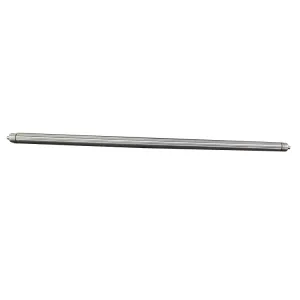
Con lăn phá cặn
Phân loại của họ: Con lăn phá cặnLượt xem: 46Số:Thời gian phát hành: 2025-08-25 15:13:19Cuộn gia công phá cặn là trung tâm của quy trình tẩy cặn cơ học, tiếp xúc trực tiếp với thép cán nóng để bẻ gãy và loại bỏ lớp vảy cứng đầu của nhà máy. Chức năng cốt lõi của nó dựa vào việc áp dụng lực căng uốn cực cao, sử dụng độ cứng cao và độ dẻo dai vượt trội để chịu được sự mài mòn không ngừng và ứng suất theo chu kỳ. Tác động cơ học trực tiếp này mang lại những lợi thế đáng kể bằng cách cải thiện đáng kể hiệu quả tẩy rửa, giảm tiêu thụ axit và đạt được bề mặt đồng đều, vượt trội. Cần thiết trong dây chuyền tẩy và gia công thép, nó đảm bảo chuẩn bị tối ưu dải, ống và dây cho quá trình cán nguội và hoàn thiện tiếp theo, đảm bảo cả hiệu quả vận hành và chất lượng sản phẩm cuối cùng. -
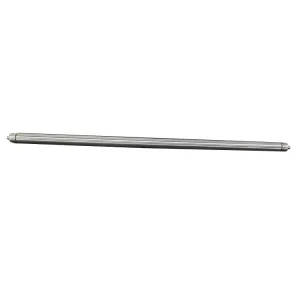
Cuộn làm việc của nhà máy
Phân loại của họ: Con lăn làm thẳngLượt xem: 42Số:Thời gian phát hành: 2025-08-25 15:55:45Cuộn giấy là thành phần quan trọng không thể thiếu trong các thiết bị công nghiệp, được sử dụng rộng rãi trong các ngành công nghiệp như thép, luyện kim, sản xuất giấy, gia công nhựa. Chủ yếu được sử dụng trong quá trình cán, cán, phủ và các quá trình khác, nó tiếp xúc trực tiếp với bề mặt vật liệu và thực hiện các nhiệm vụ quan trọng như truyền áp suất, kiểm soát hình dạng và chất lượng bề mặt.
Tin tức
Danh mục:
-
[Industry news]Sự khác biệt giữa cuộn công việc và cuộn hỗ trợ là gì?
2025-08-15 14:15:59 -
[Company News]Nghiên cứu về con lăn trung gian xoắn ốc
2025-09-05 11:53:27
Trường hợp
Danh mục:
Không có kết quả tìm kiếm!
Video
Danh mục:
Không có kết quả tìm kiếm!
Tải về
Danh mục:
Không có kết quả tìm kiếm!
Tuyển dụng
Danh mục:
Không có kết quả tìm kiếm!
Sản phẩm được đề xuất
Không có kết quả tìm kiếm!

 Người liên hệ: Mr.Wu
 Điện thoại: +86 18602539156
 Email:wuqi231138@126.com