
 English
 Español
 Pусский
 Indonesia
cuộn dây cương
Bridle Roll in Steel Processing A bridle roll is a critical component in continuous steel processing lines, particularly in tandem mills, annealing lines, and coating lines. It functions as a tension control device, ensuring the steel strip maintains consistent tension as it moves through various processing stages. The bridle roll system typically consists of multiple rolls arranged in a specific configuration, often with one or more driven rolls and several idler rolls. Function and Importance The primary role of a bridle roll is to regulate strip tension, which is essential for maintaining product quality. Proper tension control prevents defects such as wrinkles, scratches, or breaks in the steel strip. By applying or absorbing tension, the bridle roll helps stabilize the strip’s movement, especially during acceleration, deceleration, or changes in processing conditions. In continuous processing lines, the strip passes through multiple sections, each requiring precise tension levels. The bridle roll acts as a separator between these sections, allowing independent tension control. For example, in annealing furnaces, maintaining uniform tension prevents strip distortion due to thermal expansion. Design and Operation Bridle rolls are usually constructed from high-strength materials such as hardened steel or specialized alloys to withstand heavy loads and abrasive conditions. The surface may be coated or textured to enhance grip and minimize slippage. Some designs incorporate pneumatic or hydraulic systems to adjust roll pressure dynamically based on strip thickness and speed. The system often includes a combination of driven and non-driven rolls. Driven bridle rolls are motorized and actively control tension, while idler rolls guide the strip and assist in maintaining alignment. Sensors and feedback mechanisms monitor tension levels, allowing real-time adjustments to ensure stability. Applications Bridle rolls are widely used in: - Cold rolling mills – To maintain tension between stands for uniform thickness reduction. - Galvanizing lines – To control strip movement through coating baths and cooling sections. - Continuous annealing lines – To prevent sagging or stretching during heat treatment. Challenges and Maintenance Common challenges include wear due to continuous friction, misalignment, and tension fluctuations. Regular inspection and lubrication are necessary to ensure longevity. Advanced systems use automated monitoring to detect issues early, reducing downtime. In summary, the bridle roll is a vital element in steel processing, ensuring smooth operation and high-quality output by maintaining precise tension control throughout production. Its robust design and adaptability make it indispensable in modern steel manufacturing.
Sản phẩm
Danh mục:
-
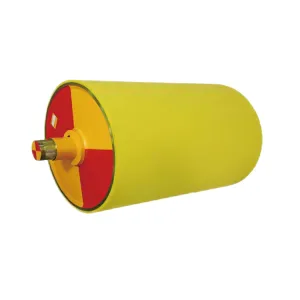
Con lăn căng
Phân loại của họ: Con lăn cao su luyện kimLượt xem: 50Số:Thời gian phát hành: 2025-08-22 10:28:49Con lăn căng chủ yếu được sử dụng để kiểm soát và điều chỉnh độ căng của vật liệu (như giấy, màng, dải kim loại, v.v.) trong quá trình vận chuyển. Nó đảm bảo độ căng liên tục của vật liệu trong quá trình xử lý thông qua hệ thống điều khiển và cấu trúc cơ khí chính xác, tránh vỡ, nhăn hoặc biến dạng vật liệu, đồng thời nâng cao hiệu quả sản xuất và chất lượng sản phẩm.
Tin tức
Danh mục:
Không có kết quả tìm kiếm!
Trường hợp
Danh mục:
Không có kết quả tìm kiếm!
Video
Danh mục:
Không có kết quả tìm kiếm!
Tải về
Danh mục:
Không có kết quả tìm kiếm!
Tuyển dụng
Danh mục:
Không có kết quả tìm kiếm!
Sản phẩm được đề xuất
Không có kết quả tìm kiếm!

 Người liên hệ: Mr.Wu
 Điện thoại: +86 18602539156
 Email:wuqi231138@126.com